Pain management
“Pain is an unpleasant sensory and emotional experience associated with, or resembling that associated with, actual or potential tissue damage”
(International Association for the Study of Pain Definition 2022)
Pain is your body’s normal reaction to illness or injury, a warning that something is wrong. It involves a complex communication between your nerves, brain and spinal cord. It is always a personal experience, and is influenced to varying degrees by biological, pscyhological and social factors.

Acute pain
Acute pain is a normal sensation triggered by the nervous system in response to injury or tissue damage. It normally lasts less than 6 months and resolves as tissue heals and the underlying cause is treated.
Chronic pain
Chronic pain is persistent or recurring pain that lasts for a prolonged period, usually longer than 3 months. In some cases, pain starts after an injury or illness, but continues long after the tissue damage has healed, while in other cases there is no apparent cause or obvious reason for ongoing pain.
Causes and symptoms
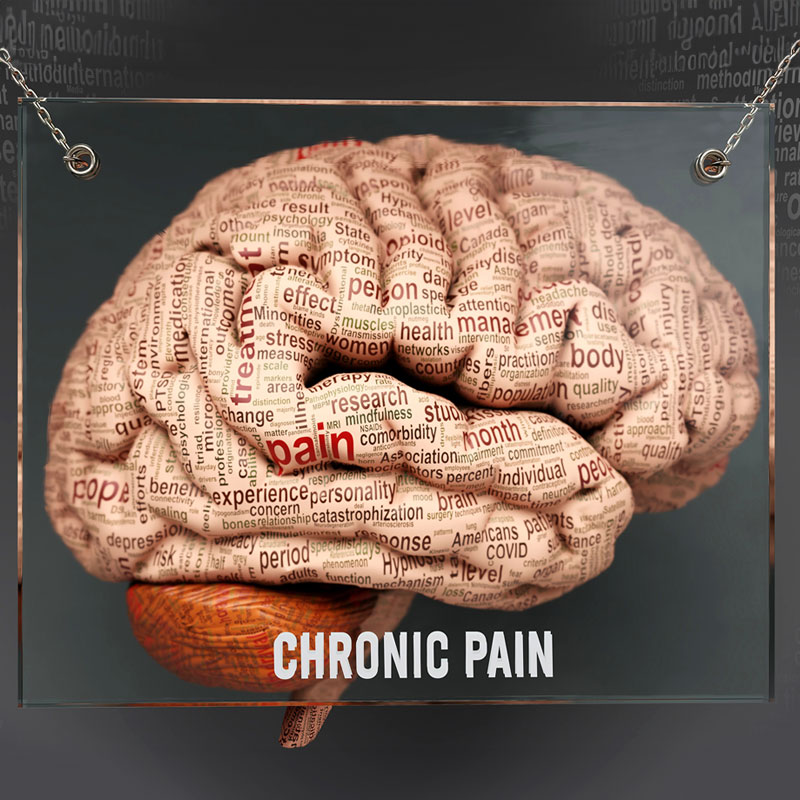
Chronic pain is caused by changes to the nervous system. The brain and spinal cord become hypersensitive to stimuli, leading to an increased perception of pain. This heightened nervous system sensitivity is like a dysfunctional alarm system, with persistent repetitive danger messages being sent to the brain. This changes how the brain processes pain signals, often resulting in other problems such as mood changes, sleep disturbances, fatigue and immune system dysfunction. There are often many psychosocial factors at play in causing and maintaining nervous system sensitivity.
Without proper management, chronic pain can severely affect your quality of life, often leading to symptoms of anxiety or depression.
Common conditions which occur as a result of nervous system hypersensitivity include headaches, chronic back and neck pain, arthritis and nerve pain, fibromyalgia, chronic fatigue and irritable bowel syndrome.
Managing pain through physiotherapy
Physiotherapy plays a key role in a multi-disciplinary approach that often includes medication and input from a psychologist.
Andrea’s psychologically informed rehabilitative approach is founded on a thorough assessment that identifies all aspects that may contribute to the pain cycle:
Biological: evidence of pathology, how much it is contributing and if further investigation is necessary
Psychological: mental and emotional factors
Social: everyday life influences
The goal of treatment is to improve function and participation in life, despite pain, as often a decrease in pain symptoms takes time.
Drawing on different treatment stragies, Andrea provides a safe and supportive space to explore the drivers behind the pain, gently guiding patients to implement new habits to shift patterns, keeping them accountable until they are able to self manage their condition.
Ultimately one wishes the patient to return to a fulfilling life, being able to do the things that they enjoy. This can only be achieved with the patient’s active involvement and the support of those around them.

Treatment strategies include:
- Pain neuroscience education
- Identifying contributing factors: DIMS and SIMS
- Breathing and mindfulness exercises
- Mindfulness techniques
- Stress management
- Sleep hygiene management
- Nutrition and lifestyle advice
- Manual therapy
- Identification of values
- SMART goal setting
- Graded exposure therapy
- Graded activity, including return to school
- Targeted exercise programmes
- Interdisciplinary team management
Benefits of physiotherapy
Pain reduction
Physiotherapy can help to reduce pain levels in various ways, utilising exercise and manual therapy, breathing and relaxation techniques, and making lifestyle changes
Improved physical function
Chronic pain is often accompanied by reduced physical function and difficulty carrying out daily activities. Using a graded return to activity and safe implementation of exercise programmes, physiotherapy helps to improve mobility, strength and balance, as well as decrease fear of movement and restore confidence.
Reduced medication dependency
Improved quality of life
Patient empowerment

Children with chronic pain
Andrea’s experience in helping children with chronic pain stems from her collaboration over the years with Tracey Prowse, an expert in paediatric pain.
The approach to treating children is slightly different to adults with chronic pain, involving more innovative and fun strategies, but still covers the basic aspects of pain neuroscience and techniques to reduce the body’s dysfunctional hypersensitivity to stimuli, as well as specific exercises and a graded return to activity as necessary. This is all done within a safe and supportive environment, where the emotional and psychological contributors to pain can be gently explored with the help of parental input.